

How Much Caffeine Is in a Coffee? A 2026 Guide
Table of Contents
- How Much Caffeine Is in a Coffee? The Baseline Numbers
- Caffeine Content in Espresso vs. Drip Coffee
- Factors Affecting Caffeine Levels in Coffee
- FDA Caffeine Daily Limit and Safe Consumption
- Caffeine in Instant and Decaffeinated Coffee
- Caffeine Half-Life: How Long Caffeine Stays in Your System
- Estimating Your Daily Caffeine Intake from Coffee
- Conclusion
Last Updated: August 23, 2026
How Much Caffeine Is in a Coffee? The Baseline Numbers
Caffeine in coffee is one of the most searched-for topics in food science, and for good reason: the numbers vary far more than most people expect. The short answer is that a standard 8-ounce cup of drip coffee contains roughly 80 to 100 milligrams of caffeine, but that figure is a starting point, not a rule.
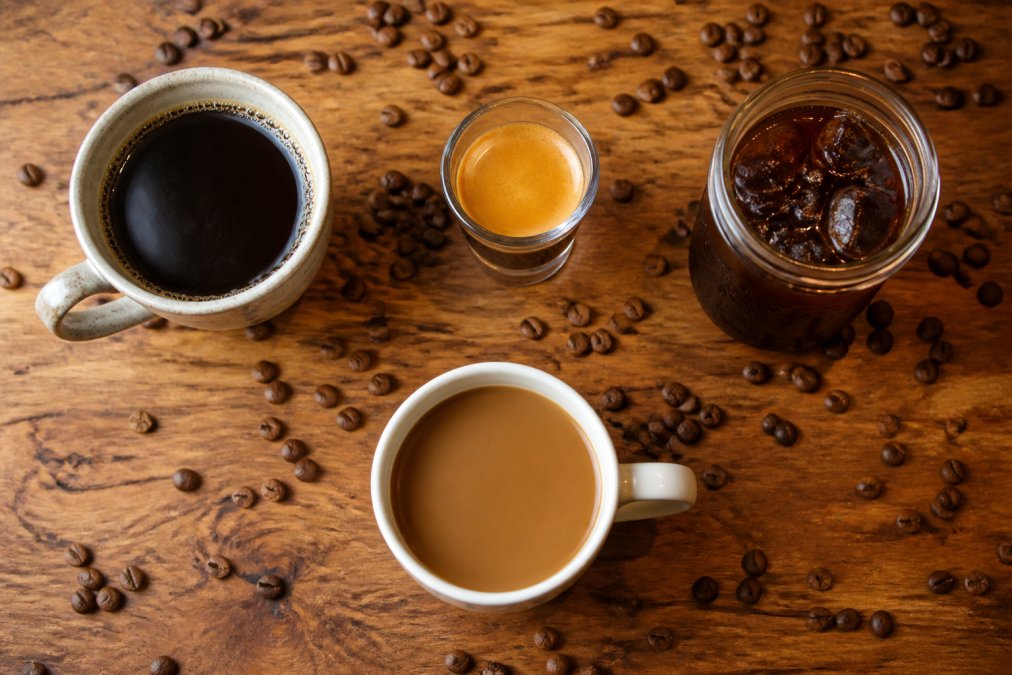
The real story is more nuanced. Caffeine content shifts dramatically based on your brewing method, the bean variety you choose, how dark you roast it, and even how long you let it steep. A cold brew concentrate can carry three to four times the caffeine of a standard drip cup. An espresso shot, despite its small serving size, packs a concentrated punch. Understanding how much caffeine in a coffee you're actually consuming means looking at all of these variables together, not just the brewing method in isolation.
Below, we break down the baseline numbers, the science behind the variation, and what that means for your daily intake.
Caffeine by Brewing Method: A Quick Reference Table
Brewing Method |
Typical Serving Size |
Approximate Caffeine (mg) |
|---|---|---|
Drip coffee |
8 fl oz |
80-100 mg |
Espresso (single shot) |
1 fl oz |
60-70 mg |
Cold brew (ready-to-drink) |
8 fl oz |
100-200 mg |
French press |
8 fl oz |
80-100 mg |
Instant coffee |
8 fl oz |
30-90 mg |
Decaffeinated coffee |
8 fl oz |
2-15 mg |
Moka pot |
2-3 fl oz |
60-100 mg |
These ranges reflect commonly reported values. The actual milligrams in your cup depend on the variables covered in the sections below.
Caffeine Content in Espresso vs. Drip Coffee
The espresso-versus-drip debate is probably the most misunderstood aspect of caffeine content in espresso vs drip coffee. Most people assume espresso is stronger, full stop. The reality is more interesting.
A single 1-ounce espresso shot contains roughly 60 to 70 milligrams of caffeine. An 8-ounce drip coffee contains 80 to 100 milligrams. By total milligrams, drip coffee wins. But espresso is far more concentrated per fluid ounce, which is why it tastes so intense and why a double shot at a café can hit harder than a standard mug of drip.
The difference comes down to extraction and serving size. Espresso forces hot water through finely ground coffee under high pressure in about 25 to 30 seconds. That rapid, high-pressure extraction pulls a concentrated dose of caffeine into a tiny volume. Drip coffee uses gravity and a much longer contact time with coarser grounds, spreading the extraction across a larger volume of water.
Where it gets genuinely surprising: if you drink two or three espresso shots in a latte, you've likely consumed more caffeine than a single drip coffee. Many specialty café drinks use two shots as a default, which puts you at 120 to 140 milligrams before you've added milk or flavoring.
For home brewers using a French press or pour-over, the caffeine profile sits closer to drip coffee than espresso, because both rely on immersion or gravity rather than pressure.
Factors Affecting Caffeine Levels in Coffee
The biggest mistake people make is treating caffeine content as a fixed number. It isn't. Several interacting variables determine how much caffeine ends up in your cup, and understanding them gives you real control over your daily intake.
Bean Variety: Arabica vs. Robusta
Arabica and Robusta are the two dominant commercial coffee species, and they differ significantly in caffeine concentration. Robusta beans contain roughly twice the caffeine of Arabica beans by dry weight. Most specialty coffee, including single-origin beans from regions like Kenya, Ethiopia, and Sumatra, is Arabica. It's prized for its complex flavor and lower bitterness, partly because its lower caffeine content means less of the naturally bitter stimulant compound.
Robusta shows up most often in commodity blends, some espresso blends designed for crema and strength, and many instant coffees. If you're drinking a dark Italian-style espresso blend or a grocery-store instant, there's a good chance Robusta is in the mix, which means more caffeine per gram of coffee used.
Roast Level and Caffeine: What Actually Changes
Here's where conventional wisdom gets it wrong. Many people believe dark roast coffee is stronger in caffeine. The opposite is closer to the truth, though the difference is smaller than most expect.
Caffeine is remarkably heat-stable. Roasting doesn't destroy much of it. What changes is the density of the bean: dark roasting drives off moisture and CO2, making the bean lighter and slightly more porous. If you measure coffee by volume (scoops), dark roast beans are less dense, so you're using fewer grams per scoop, which means slightly less caffeine per cup. If you measure by weight in grams, the difference is minimal.
According to FDA guidance on caffeine, caffeine content in coffee varies widely depending on preparation, but roast level is among the smaller contributing factors compared to brew ratio and bean species.
Light roasts, measured by weight, tend to have marginally more caffeine. But the practical difference between a light and dark roast brewed at the same ratio is small enough that most people won't notice it in their sensitivity response.
Home Brewing Variables That Shift Caffeine Extraction
This is the angle most guides skip entirely. Your home brewing setup has a significant impact on how much caffeine ends up in the cup, and it's fully within your control.
The key variables:
- Grind size: Finer grinds expose more surface area, increasing caffeine extraction. A fine espresso grind extracts more caffeine than a coarse French press grind from the same beans.
- Water temperature: Hotter water extracts caffeine more efficiently. The Specialty Coffee Association recommends brewing between 195°F and 205°F. Water below 185°F will under-extract, reducing both flavor and caffeine yield.
- Brew ratio: More coffee grounds relative to water means more caffeine per fluid ounce. A 1:15 ratio (1 gram of coffee to 15 grams of water) produces a stronger cup than 1:18.
- Contact time: Longer steeping increases extraction. A French press left for five minutes pulls more caffeine than one pressed at three minutes.
- Water quality: Filtered water with moderate mineral content extracts caffeine more consistently than distilled or heavily treated water.
FDA Caffeine Daily Limit and Safe Consumption
The FDA caffeine daily limit for healthy adults is 400 milligrams per day, a figure cited in FDA's guidance on caffeine and safe consumption. That translates to roughly four 8-ounce cups of standard drip coffee. Beyond that threshold, many adults begin experiencing caffeine sensitivity symptoms: jitteriness, increased heart rate, disrupted sleep, and in some cases, anxiety.
That said, 400 milligrams is a general guideline, not a hard biological ceiling. Individual caffeine metabolism varies considerably based on genetics, body weight, medication interactions, and habitual intake. Some people process caffeine quickly and tolerate 500 milligrams without issue. Others feel jittery at 150 milligrams.
Certain groups face different safe consumption thresholds. Pregnant individuals are generally advised to stay under 200 milligrams per day. Adolescents and people with certain cardiovascular conditions should consult a healthcare provider before consuming caffeine regularly.
Caffeine toxicity, while rare at typical coffee-drinking levels, becomes a real concern at very high doses. The FDA has flagged pure powdered caffeine and highly concentrated liquid caffeine products as dangerous, not standard brewed coffee. A regular coffee habit, even at four cups per day, sits well within the documented safe range for most adults.
Caffeine in Instant and Decaffeinated Coffee
Instant coffee sits at the lower end of the caffeine spectrum, typically delivering 30 to 90 milligrams per 8-ounce serving. The wide range reflects differences in brand formulation, serving size, and whether Robusta or Arabica beans were used in production. Many instant coffees use Robusta for its stronger flavor and higher caffeine yield at lower cost, but the spray-drying or freeze-drying process can reduce overall caffeine concentration compared to fresh-brewed coffee.
Decaffeinated coffee is a common source of confusion. Decaf is not caffeine-free. The decaffeination process, whether solvent-based, Swiss Water, or CO2 extraction, removes the majority of caffeine but not all of it. A standard 8-ounce decaf cup typically contains 2 to 15 milligrams of caffeine. For most people, that residual amount is inconsequential. For those with extreme caffeine sensitivity or certain medical conditions, it's worth knowing.
The Swiss Water Process is widely regarded as the cleanest decaffeination method, using only water and osmosis to strip caffeine without chemical solvents. CO2 extraction is similarly solvent-free and tends to preserve flavor compounds well. Both methods still leave trace caffeine behind.
Caffeine Half-Life: How Long Caffeine Stays in Your System
Caffeine half-life is the time it takes your body to eliminate half of the caffeine you consumed. For most healthy adults, that figure sits between four and six hours, according to National Institutes of Health research on caffeine pharmacokinetics.
Here's what that means in practice. If you drink a 100-milligram cup of coffee at noon, roughly 50 milligrams are still circulating in your system by 5 PM. At 10 PM, you may still have 25 milligrams active. That's enough to interfere with sleep quality, particularly the deeper sleep stages, even if you don't feel "wired."
Caffeine half-life varies based on several factors:
- Age: Older adults tend to metabolize caffeine more slowly.
- Pregnancy: Caffeine metabolism slows significantly during pregnancy, extending the half-life to eight hours or longer.
- Medications: Some medications, including certain oral contraceptives and antifungals, slow caffeine clearance. Others, like smoking, accelerate it.
- Genetics: Variations in the CYP1A2 enzyme, which handles caffeine metabolism, mean some people are genuinely fast metabolizers and others are slow ones.
The practical implication: if you're struggling with sleep, the last cup of the day matters more than total daily intake. Many sleep researchers suggest stopping caffeine intake by 2 PM for people with a standard 10 PM to 11 PM bedtime.
Estimating Your Daily Caffeine Intake from Coffee
Most people dramatically underestimate how much caffeine in a coffee they consume across a full day. The math is simple once you have the baseline numbers, but the variables make it easy to miscalculate.
A useful framework for estimating your daily caffeine intake:
Coffee Type |
Serving |
Caffeine (mg) |
Common Daily Servings |
Estimated Daily Total |
|---|---|---|---|---|
Drip coffee |
8 fl oz |
90 mg |
2 cups |
180 mg |
Double espresso latte |
12 fl oz |
130 mg |
1 drink |
130 mg |
Cold brew (RTD) |
8 fl oz |
150 mg |
1 bottle |
150 mg |
Instant coffee |
8 fl oz |
60 mg |
2 cups |
120 mg |
Add those up across a morning routine and it's easy to see how a two-cup drip habit plus an afternoon cold brew puts you at 330 milligrams before accounting for any tea, soda, or chocolate.
The thing nobody tells you about tracking caffeine intake is that serving size is the most common miscalculation. A "cup" in most caffeine research means 8 fluid ounces. A standard large mug at home often holds 12 to 16 ounces. If you're filling a 16-ounce travel mug with drip coffee, you're closer to 160 to 200 milligrams from a single pour.
For home brewers who want precise control, weighing your coffee dose in grams and tracking your brew ratio gives you the most accurate picture of caffeine per cup. It's the same principle that specialty roasters use, and it's far more reliable than estimating by scoops.
Brewtiful Coffee's single-origin beans, sourced from regions like Kenya, Sumatra, and Uganda, are all Arabica varieties, which puts their base caffeine content on the lower end of the spectrum compared to Robusta blends. That means a well-brewed cup delivers clean, balanced flavor without the harsh edge that often comes from high-caffeine commodity blends.
For a deeper look at caffeine absorption and how the body processes stimulants, the Mayo Clinic's overview of caffeine is a reliable starting point grounded in clinical research.
=== FAQ ANSWERS (audit these too, same rules) ===
[1] Q: How much caffeine is in 1 cup of coffee? A: A standard 8-fluid-ounce drip coffee contains roughly 80 to 100 milligrams of caffeine, though the actual amount varies based on the bean variety, roast level, grind size, and brew time. A stronger brew or a larger serving size, like a 12 oz cup, can push that figure to 120 to 150 milligrams. If you want a consistent caffeine intake, keeping your coffee-to-water ratio the same each time is the most reliable way to control it.
[2] Q: Does roast level affect caffeine content? A: Roast level has a smaller effect on caffeine than most people expect. Caffeine is heat-stable, so it doesn't burn off significantly during roasting. The real difference comes from density and measurement method: light roast beans are denser, so measuring by weight gives you slightly more caffeine per gram than dark roast. Measuring by volume (scoops) slightly favors dark roast because the beans are lighter and you fit more into a scoop. The difference between roasts is modest, usually under 10 milligrams per cup.
[3] Q: How does brewing method change caffeine concentration? A: Brewing method is one of the biggest factors in caffeine content because it controls extraction time, water temperature, and pressure. Cold brew steeps for 12 to 24 hours and produces a concentrate with 150 to 240 milligrams per 8 oz serving. Espresso delivers 60 to 75 milligrams in just 1 to 2 fluid ounces, making it highly concentrated but lower in total caffeine per serving than a full mug of drip coffee. French press and pour-over fall in the middle, typically yielding 80 to 130 milligrams per 8 oz cup.
[4] Q: Is 200 mg of caffeine a lot for a drink? A: The FDA considers up to 400 milligrams of caffeine per day safe for healthy adults, so 200 milligrams, roughly two standard drip coffees, sits at the midpoint of that guideline. Whether it feels like a lot depends on your individual caffeine sensitivity, body weight, and tolerance. People who metabolize caffeine slowly, those who are pregnant, or anyone with heart conditions should stay well below 200 milligrams per serving. If you notice jitteriness or a racing heart, that's a signal to reduce your intake.
Frequently Asked Questions
Q: How much caffeine is in 1 cup of coffee?
A: A standard 8-fluid-ounce drip coffee contains roughly 80 to 100 milligrams of caffeine, though the actual amount varies based on the bean variety, roast level, grind size, and brew time. A stronger brew or a larger serving size — like a 12 oz cup — can push that figure to 120 to 150 milligrams. If you want a consistent caffeine intake, keeping your coffee-to-water ratio the same each time is the most reliable way to control it.
Q: Does roast level affect caffeine content?
A: Roast level has a smaller effect on caffeine than most people expect. Caffeine is heat-stable, so it doesn't burn off significantly during roasting. The real difference comes from density and measurement method: light roast beans are denser, so measuring by weight gives you slightly more caffeine per gram than dark roast. Measuring by volume (scoops) slightly favors dark roast because the beans are lighter and you fit more into a scoop. The difference between roasts is modest — usually under 10 milligrams per cup.
Q: How does brewing method change caffeine concentration?
A: Brewing method is one of the biggest factors in caffeine content because it controls extraction time, water temperature, and pressure. Cold brew steeps for 12 to 24 hours and produces a concentrate with 150 to 240 milligrams per 8 oz serving. Espresso delivers 60 to 75 milligrams in just 1 to 2 fluid ounces, making it highly concentrated but lower in total caffeine per serving than a full mug of drip coffee. French press and pour-over fall in the middle, typically yielding 80 to 130 milligrams per 8 oz cup.
Q: Is 200 mg of caffeine a lot for a drink?
A: The FDA considers up to 400 milligrams of caffeine per day safe for healthy adults, so 200 milligrams — roughly two standard drip coffees — sits at the midpoint of that guideline. Whether it feels like a lot depends on your individual caffeine sensitivity, body weight, and tolerance. People who metabolize caffeine slowly, those who are pregnant, or anyone with heart conditions should stay well below 200 milligrams per serving. If you notice jitteriness or a racing heart, that's a signal to reduce your intake.