

Is Electric Tea Kettle Worth It for Tea Lovers
Table of Contents
- Why Electric Tea Kettles Matter for Precision Brewing
- Benefits of Temperature Controlled Kettles
- How to Brew Loose Leaf Tea Properly with an Electric Kettle
- Speed, Safety, and Energy Efficiency
- Tea Brewing Accessories for Office Pantries and Corporate Settings
- Real Costs vs. Long-Term Value
- Is an Electric Tea Kettle Right for You?
- Frequently Asked Questions
Last Updated: September 28, 2026
Why Electric Tea Kettles Matter for Precision Brewing
An electric tea kettle transforms how you brew loose leaf tea at home. If you've struggled with bitter cups or uneven steeping, precision temperature control is often the missing piece. The difference between a mediocre cup and a cafe-quality one often comes down to water temperature, something a stovetop kettle simply cannot maintain consistently.
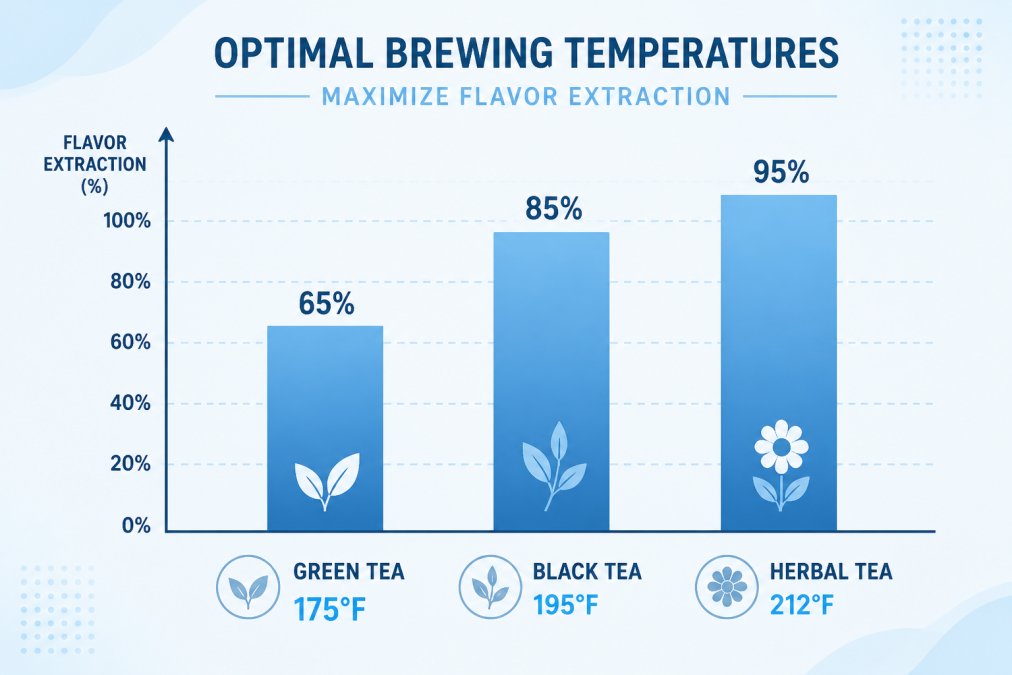
For tea lovers, an electric tea kettle isn't just convenience. It's the tool that unlocks flavor. Green teas need water around 175°F to avoid bitterness and preserve delicate catechins. Black teas require 195°F for full extraction. Herbal infusions want 212°F. A standard kettle boils everything to 212°F, destroying the nuance in lighter teas. This is where precision brewing becomes essential.
At Brewtiful Coffee US, we understand that tea enthusiasts want cafe-quality results at home. Whether you're brewing Jasmine green tea or a strong Masala Chai, temperature control determines whether you taste the intended flavor profile or a flat, over-extracted cup.


Benefits of Temperature Controlled Kettles
Temperature control unlocks flavor extraction that stovetop kettles cannot deliver. When water temperature matches the tea variety, you get the intended taste, not a bitter, astringent mess.
Green teas like Moroccan Mint steep best at 175°F for 3-4 minutes. At this temperature, the tea releases its delicate, sweet notes without releasing excessive tannins that create harshness. A kettle that holds 175°F steady means every cup tastes the same. A stovetop kettle cools as you pour, so the first cup brews hotter than the last.
Black teas and English Breakfast blends need 195°F to fully extract their malty, fruity character. Herbal teas and Apple Cider Rooibos want the full 212°F boil. A single kettle can handle all three, just select the temperature and pour.

The precision brewing advantage extends to multiple infusions. Quality loose leaf tea leaves can be steeped 3-5 times. Temperature-controlled kettles let you maintain the exact heat for each infusion, keeping flavor consistent. This matters for premium teas where each steep reveals new notes.
Many tea drinkers find that consistency alone justifies the investment. When every cup tastes intentional rather than accidental, the ritual feels more meaningful.
How to Brew Loose Leaf Tea Properly with an Electric Kettle
Proper brewing follows a simple sequence: heat to the right temperature, steep for the right duration, and remove leaves before over-extraction occurs.
Start by selecting your tea. Each Brewtiful Coffee US loose leaf tea includes brewing instructions on its listing. Jasmine calls for 175°F and 4-6 minutes. Masala Chai needs 195°F for 5-7 minutes. Matcha uses a whisk at 175°F rather than steeping.
Fill your electric kettle with fresh, filtered water. Mineral content affects extraction, water with moderate mineral content (100-200 ppm) brews the best cup. If your tap water is very soft or very hard, consider filtered water for premium teas.
Set the kettle to your target temperature. Most electric kettles hold the temperature for 20-30 minutes, so you can brew multiple cups without reheating. Pour water over your loose leaf tea in a strainer or infuser basket. Use about 2.5 grams of tea per 12 ounces of water, roughly one teaspoon for most blends.
Set a timer for the recommended steeping duration. This is where precision matters most. A green tea steeped for 2 minutes tastes bright and delicate. The same tea steeped for 8 minutes tastes bitter and astringent. The kettle's job is temperature; your job is timing.
When the timer sounds, remove the leaves immediately. Many tea lovers use a small strainer basket or infuser that lifts out, no pouring required. This prevents over-steeping if you get distracted.
For a second infusion, reheat to the same temperature and steep for 1-2 minutes longer than the first brew. Quality loose leaf leaves open up more fully on the second infusion, often tasting better than the first.
Speed, Safety, and Energy Efficiency
An electric kettle boils water faster than stovetop kettles because the heating element sits directly inside the water, transferring energy with minimal loss. Most electric models heat a full kettle in 5-10 minutes, while stovetop kettles take 10-15 minutes depending on stove type and water volume.
Why speed matters for corporate pantries: In an office environment with 20-30 employees, a kettle that saves 5 minutes per brew adds up to 100+ minutes of collective waiting time per day. Employees are more likely to use a quality tea station if the friction is low. A fast kettle removes the "I don't have time for tea" excuse.
Safety features distinguish modern electric kettles from stovetop designs. Auto shut-off prevents boil-dry damage, the kettle powers down automatically once water reaches temperature or after 30 minutes of inactivity. This is critical in shared office kitchens where someone might forget a kettle on the stove. Cordless designs eliminate the burn risk of a hot kettle cord dragging across a counter. Cool-touch handles stay safe even when water inside is 212°F, important for workplaces with diverse mobility levels or when employees are multitasking at their desks.
Many electric kettles also feature a "keep warm" function that maintains water at the set temperature for 20-30 minutes without re-boiling.
Energy consumption favors electric kettles over stovetop heating. An electric kettle uses focused heating elements that transfer energy directly to water with 85-90% efficiency. A stovetop kettle heats the entire burner, losing energy to the air around it and the stovetop surface itself, typically 60-70% efficiency. For corporate pantries or small businesses buying in bulk, the efficiency difference compounds across hundreds of brewing cycles per month. A kettle that maintains temperature for 30 minutes means you can brew multiple cups without reheating, beating the cost of boiling fresh water for each cup.
From a sustainability angle, electric kettles reduce energy waste compared to stovetop heating, though they do require electricity.
Cost per brew in a corporate setting: If an office brews 40 cups of tea per day (2 per employee × 20 employees), an electric kettle's energy cost is approximately $0.02-0.04 per cup. A stovetop approach would cost roughly double. Over a year, that's $300-600 in energy savings for a small business, plus the intangible benefit of employees actually using the tea station because it's fast and convenient.
Tea Brewing Accessories for Office Pantries and Corporate Settings
Office environments and small business kitchens benefit from pairing an electric kettle with the right accessories. A simple infuser basket or mesh strainer turns any mug into a brewing vessel, no special equipment needed. For corporate clients and employee kitchen benefits, the goal is reducing friction: the easier it is to brew a proper cup, the more employees will use the station.
Building a complete pantry solution: A well-stocked corporate tea station includes:
- The kettle (temperature-controlled, 1.5-2 liter capacity for shared use)
- Infuser baskets or mesh strainers (buy 3-4 so multiple employees can brew simultaneously)
- A small kitchen scale (under $20, helps teams dial in the right tea-to-water ratio of 2.5 grams per 12 ounces)
- Thermal mugs with infuser baskets (for employees who brew at their desk; insulation keeps tea hot for 2-3 hours)
- A variety of loose leaf teas in approachable flavors
For small businesses and corporate clients looking to offer premium tea as an employee benefit, Brewtiful Coffee US offers wholesale options for pantry selections. Wholesale pricing makes it economical to stock multiple tea varieties without the per-unit cost of retail purchases. Employees notice when a company invests in quality tea; it signals respect for their break time and wellness.
Choosing teas for a diverse workplace: Not everyone considers themselves a "tea connoisseur," but most people enjoy a good cup when the barrier to entry is low.
Real Costs vs. Long-Term Value
An electric kettle ranges from basic models to premium options. Mid-range kettles offer reliable temperature control, durable construction, and 3-5 year lifespans. For most home brewing enthusiasts and small businesses, this price point delivers strong value.
Is an Electric Tea Kettle Right for You?
An electric tea kettle makes sense if you brew loose leaf tea more than twice a week. If you're a casual tea drinker who uses tea bags occasionally, the investment may not justify itself. But if you've ever had a great cup of tea and wondered how to replicate it, temperature control is the answer.
Frequently Asked Questions
What makes an electric tea kettle worth the investment compared to stovetop?
Electric kettles deliver precision temperature control, which is essential for extracting the right flavors from loose leaf tea. Green teas require 175°F to avoid bitterness, while black teas need 195°F for full flavor. Stovetop kettles reach boiling point (212°F) only, which damages delicate leaves. Electric models also include safety features like auto shut-off.
How does temperature control improve the flavor of loose leaf tea?
Water temperature controls which compounds dissolve from tea leaves. Green tea brewed at 175°F extracts sweet, vegetal notes without harsh tannins. Black tea at 195°F releases malty, fruity complexity. Boiling water (212°F) over-extracts and creates bitterness in delicate teas. Electric kettles with preset temperatures or adjustable dials ensure you hit the exact degree needed for each tea type, delivering the smooth, balanced cup you'd get at a specialty tea shop. This precision is impossible with stovetop kettles.
Are electric tea kettles practical for small businesses or office pantries?
Yes. Electric kettles are ideal for corporate kitchens and employee benefits. They require minimal counter space, and feature auto shut-off for safety in shared environments. For holiday gifts or pantry selections, they signal that your company values quality break time. Brewtiful Coffee's loose leaf tea selection, including options like Masala Chai ($17.99) and Earl Grey ($17.99), pairs perfectly with an office kettle, elevating the standard tea bag experience.
Do electric kettles really save energy compared to stovetop kettles?
Electric kettles heat only the water you need and transfer heat directly to the water through an immersion element, with minimal loss to the surrounding air. Stovetop kettles waste energy heating the burner and the kettle body itself.
The gap between mediocre tea and exceptional tea often comes down to one tool. An electric kettle with temperature control costs less than a week of cafe visits but delivers better flavor for months. If you're serious about loose leaf tea, it's one of the best investments you can make in your daily ritual. Explore Brewtiful Coffee US's premium loose leaf selection and discover how the right water temperature transforms every cup.